

Types Of Carpet Tiles , Pros, Cons & Costs in 2026
Carpet tiles have become one of the most adaptable and cost-effective flooring solutions in 2026. As lifestyle needs evolve and flexible spaces become the norm, carpet tiles are now widely used across residential, commercial, and institutional environments.
Once limited to corporate offices, carpet tiles are now commonly installed in apartments, home offices, rental properties, schools, healthcare facilities, and retail spaces. This shift is driven by advances in carpet tile technology that deliver improved comfort, modern design, and long-term performance.
This comprehensive guide explains what carpet tiles are, how they are made, their advantages and disadvantages, where they perform best, how much they cost, and whether they are the right flooring solution for your space.

What Are Carpet Tiles?
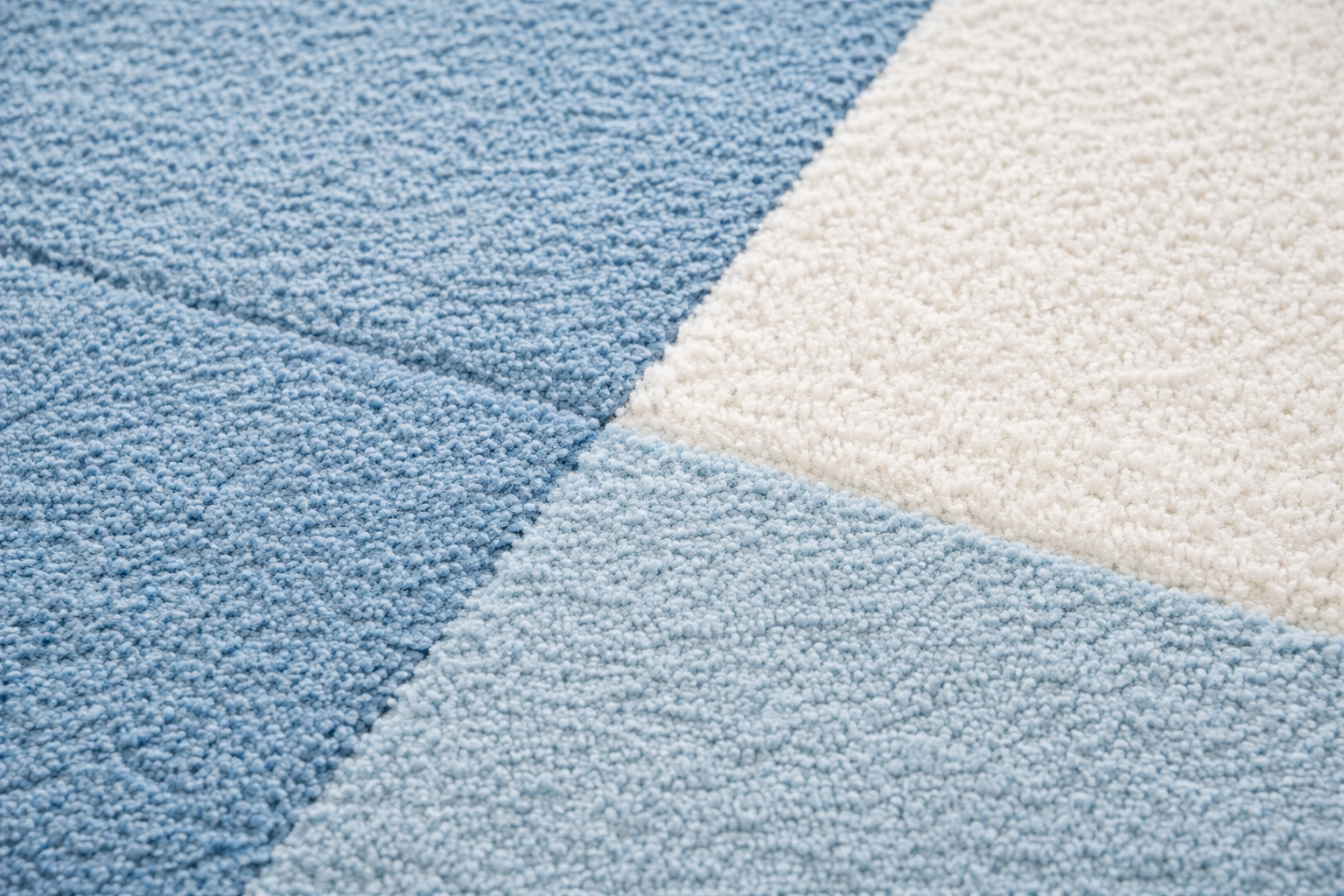
Carpet tiles, also known as modular carpet, are individual sections of carpet manufactured in square or plank formats. Unlike traditional broadloom carpet supplied in rolls, carpet tiles are installed piece by piece. The most common tile size is 500mm × 500mm. However, plank-style carpet tiles are increasingly popular due to their ability to create directional patterns and contemporary layouts.
Carpet Tile Construction Explained
| Layer | Function |
|---|---|
| Fibre Surface | Provides comfort, appearance, and wear resistance |
| Primary Backing | Holds carpet fibres securely in place |
| Secondary Backing | Adds stability and prevents tile movement |
| Cushion / Acoustic Layer | Improves underfoot comfort and sound absorption |
This layered construction allows carpet tiles to remain dimension-ally stable on concrete slabs commonly used in modern buildings.
How Carpet Tiles Are Manufactured in 2026
Modern carpet tiles are primarily manufactured using solution-dyed nylon fibers. These fibers are colored during production rather than after, resulting in superior performance.
- Excellent stain resistance
- Consistent color throughout the fiber
- Improved resistance to fading
- Better tolerance to frequent cleaning
Backing systems have also evolved, with many products now using low-VOC, bitumen-free, or recyclable materials to support healthier indoor air quality.
Carpet Tile Pros and Cons
Advantages of Carpet Tiles
- Damaged tiles can be replaced individually
- Lower long-term maintenance costs
- Strong acoustic and sound-absorbing properties
- Fast installation with minimal disruption
- Flexible design layouts and zoning options
- Designed for high-traffic environments
Disadvantages of Carpet Tiles
- Visible seams if installation quality is poor
- Firmer underfoot compared to plush broadloom carpet
- Less common in luxury residential living areas
- Requires a flat, well-prepared subfloor
Selecting the correct product and using professional installation significantly reduces these limitations.
Carpet Tiles vs Traditional Broadloom Carpet
| Comparison Factor | Carpet Tiles | Traditional Carpet |
|---|---|---|
| Repair Method | Replace individual tiles | Replace entire area |
| Maintenance Cost | Lower over time | Higher long-term cost |
| Design Flexibility | High | Limited |
| High-Traffic Performance | Excellent | Moderate |
For high-use environments, carpet tiles consistently deliver better lifecycle value.
How Much Do Carpet Tiles Cost in 2026?
Carpet Tile Supply Costs
| Category | Price Range (per m²) |
|---|---|
| Entry-Level | $25 – $40 |
| Mid-Range Commercial | $40 – $65 |
| Premium / Designer | $65 – $110+ |
Installation Costs
- Glue-down installation: $20 – $35 per m²
- Tackifier (releasable adhesive): $20 – $30 per m²
- Peel-and-stick systems: $15 – $25 per m²
Total installed cost: typically ranges from $45 to $130 per m², depending on product quality and site conditions.
Best Applications for Carpet Tiles
Commercial and Institutional Spaces
- Corporate offices and co-working environments
- Retail and hospitality spaces
- Schools and universities
- Healthcare and aged care facilities
Residential Use
- Home offices
- Apartments and rental properties
- Basements and multi-purpose rooms
Carpet tiles are not recommended for wet areas such as bathrooms or laundries.
Durability and Lifespan
Quality carpet tiles are engineered for durability. In high-traffic environments, they can last 15 to 20 years with proper maintenance.
Indoor Air Quality and Sustainability
Many carpet tiles produced in 2026 meet strict low-VOC emission standards. Recycled materials and recyclable backing systems contribute to healthier indoor environments.
Carpet Tile Installation Methods
- Full adhesive: Maximum stability and lifespan
- Tackier adhesive: Allows easy tile replacement
- Peel-and-stick: Fast installation for small areas
- Interlocking systems: Minimal adhesive use
Maintenance and Cleaning
Routine vacuuming and occasional spot cleaning are usually sufficient. Individual tiles can be replaced if damaged or stained.
Are Carpet Tiles Waterproof?
Carpet tiles are not waterproof. However, modern backing systems provide moisture resistance. Spills should always be cleaned promptly.
Carpet Tile Design Trends in 2026
- Neutral and earthy color palettes
- Plank-style carpet tile formats
- Randomized and quarter-turn layouts
- Textured and bibliophile-inspired designs
Conclusion: Are Carpet Tiles Worth It?
In 2026, carpet tiles remain a smart, practical, and future-proof flooring solution. They offer durability, acoustic comfort, design flexibility, and excellent long-term value. While they may not replace luxury broadloom carpet in high-end living rooms, they consistently outperform traditional carpet in offices, apartments, and high-traffic environments.
To explore quality carpet tile solutions, visit One Stop Floors – Carpet Tiles. For specialist installation systems and acoustic underlays, Airlay Australia provides industry-leading products.
Frequently Asked Questions
What are carpet tiles mainly used for?
Carpet tiles are widely used in offices, apartments, schools, and commercial environments due to their durability and ease of maintenance.
Are carpet tiles cheaper than traditional carpet?
Carpet tiles often have lower lifetime costs because damaged sections can be replaced individually.
How long do carpet tiles last?
High-quality carpet tiles typically last between 10 and 20 years, depending on usage and maintenance.
Do carpet tiles look cheap?
No. Modern carpet tiles feature refined textures, contemporary designs, and premium finishes.
Can carpet tiles be installed on concrete?
Yes. Carpet tiles are ideal for concrete slabs commonly used in modern construction.