
Showing 1–28 of 230 results

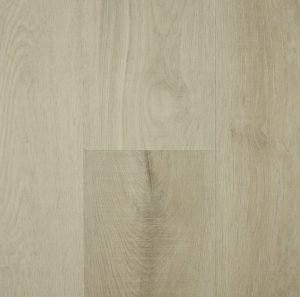
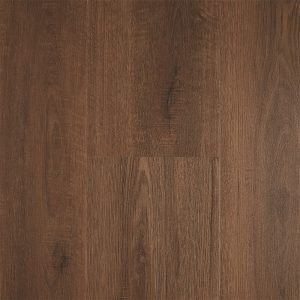


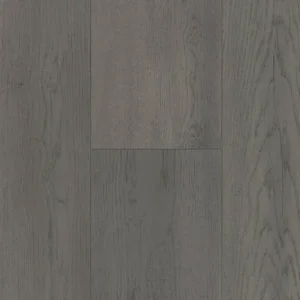


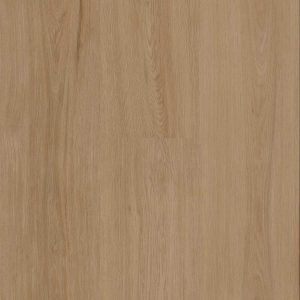
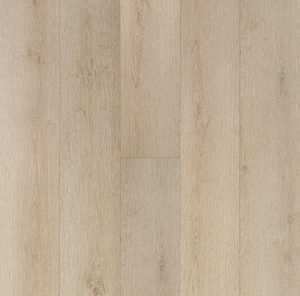





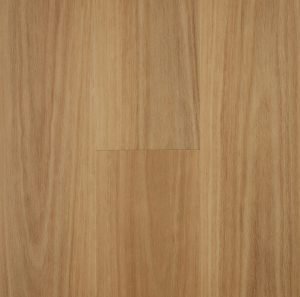

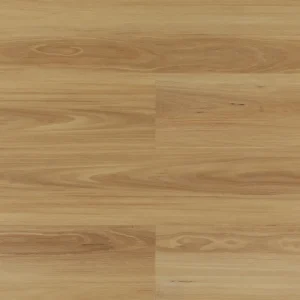



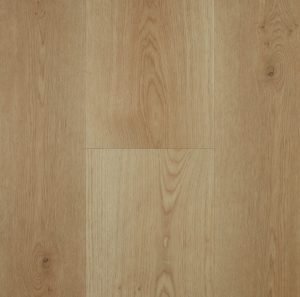


Showing 1–28 of 230 results
Hybrid Flooring: Perfect for Residential Spaces
What Is Hybrid Flooring?
Hybrid flooring combines the authentic look of hardwood with the practical benefits of vinyl and laminate. It’s 100% waterproof, making it suitable for every room—including kitchens, bathrooms, and laundry areas. The result is a high-performance, low-maintenance surface that keeps your home looking fresh year after year.Why Choose Hybrid Flooring from One Stop Floors?
- Waterproof and Durable: Perfect for areas prone to spills or moisture.
- Stylish Designs: Choose from a wide range of realistic wood textures and colours.
- Comfort and Sound Absorption: Hybrid floors feel warm underfoot and reduce noise.
- Scratch & Stain Resistant: Ideal for high-traffic areas and family living.
- Easy Installation: Features a glue-less locking system for quick and seamless fitting.
Where Can Hybrid Flooring Be Used?
- Residential Spaces: Kitchens, bathrooms, laundry rooms, and living areas benefit from its waterproof and durable nature.
- Commercial Flooring: Perfect for retail stores, offices, and light commercial spaces, offering a sleek and professional look.
How Does Hybrid Flooring Work?
combines multiple layers to achieve superior performance:- Top Wear Layer: Provides scratch resistance and durability.
- Decorative Layer: Mimics real hardwood or stone designs for an authentic look.
- Rigid Core Layer: Offers dimensional stability and strength.
- Backing Layer: Ensures waterproof performance and comfort underfoot.
Frequently Asked Questions about Hybrid Flooring
Is Hybrid Flooring waterproof?
Yes, Hybrid Flooring is 100% waterproof, making it perfect for kitchens, bathrooms, and other wet areas.
Can Hybrid Flooring be used for commercial spaces?
Absolutely! Hybrid Flooring is durable and stylish, making it an excellent option for commercial flooring like offices and retail spaces.
How do I maintain Hybrid Flooring?
Cleaning is easy — simply wipe spills and sweep or vacuum regularly for a pristine finish.
Is Hybrid Flooring budget-friendly?
Yes, the cost of hybrid flooring is more affordable than hardwood, providing excellent value with the same premium look and long-lasting performance.
Where can I see Hybrid Flooring options?
Visit our flooring Thomastown showroom to explore the latest designs, textures, and colours in person.
How Much Does Hybrid Flooring Cost in Melbourne?
Hybrid flooring sits between laminate and engineered timber on price, and what you pay depends on three things: the thickness of the board, the thickness of the wear layer on top, and the brand behind it. A thicker wear layer costs more because it is what keeps the floor looking new under chairs, pets and daily traffic.
Two other costs are easy to forget when comparing quotes. The first is underlay — many hybrid boards have it attached already, which saves a separate layer. The second is preparation: if your existing floor is uneven it has to be levelled first, and that is charged separately from the flooring itself.
Because prices move with brand and stock, we keep the current pricing on each product rather than on this page. You can see what every hybrid range costs today on our hybrid flooring range, and if you would like the full picture of what a hybrid floor costs across Australia, including installation, our guide to hybrid flooring cost breaks it down room by room.
For an exact figure on your own rooms, a free measure and quote is the fastest answer. We measure, allow for waste and cutting, and give you one number with nothing hidden.
Why Hybrid Flooring Suits Melbourne Homes
Melbourne asks more of a floor than most Australian cities. A single week can swing from cold mornings to hot afternoons, and that movement is exactly what makes some floors cup, gap or lift at the edges. Hybrid flooring is built for it: the rigid core barely reacts to temperature change, so the boards stay flat through a Melbourne spring.
Damp is the second local problem. Older weatherboard and brick homes across the inner north and west often sit on concrete slabs or subfloors that hold moisture, and timber floors suffer for it. Hybrid is waterproof through the whole board, not just sealed on the surface, so a wet laundry, a leaking dishwasher or a rainy entry does not ruin it.
It also handles the way Melbourne homes are actually used. Open-plan living means one floor runs from the kitchen through to the living room, and hybrid is quiet underfoot thanks to its attached acoustic backing — useful in townhouses and apartments where noise carries between levels.
We are a Melbourne business ourselves, based in Thomastown, so the ranges we stock are chosen for local homes and local conditions rather than shipped in blind.
Hybrid Flooring vs Laminate: Which Is Better?
Laminate and hybrid look similar in a showroom, and both cost far less than solid timber. The difference is what happens when water gets involved. Laminate has a fibreboard core that swells if water sits on it, so a spill left overnight can lift the edges permanently. Hybrid has a rigid waterproof core, so the same spill wipes away.
The second difference is stability. Laminate expands and contracts more with heat, which is why it often needs wider expansion gaps around the edges of a room. Hybrid moves far less, so it copes better with large open areas and with sunlight through big windows.
Laminate still wins on price, and for a bedroom or a low-traffic room where water is never a concern it remains a sensible choice. But for kitchens, laundries, bathrooms, entries and anywhere with children or pets, hybrid is the safer floor and usually lasts longer before it needs replacing.
If you are weighing the two up, our guide to the best hybrid flooring in Australia compares the leading ranges side by side.
Hybrid Flooring vs Vinyl: What Is the Difference?
This one causes the most confusion, because hybrid flooring is partly vinyl. The simplest way to see it: vinyl planks are flexible, hybrid planks are rigid. That single difference changes how each floor behaves once it is down.
Flexible vinyl follows the shape of whatever is underneath it. If your subfloor has a dip or a ridge, you will feel it and often see it. Hybrid’s rigid core bridges small imperfections, so the finished floor looks flatter on an older or uneven subfloor — which matters in established Melbourne homes.
Rigid boards are also firmer underfoot and quieter, because most hybrid comes with acoustic backing already attached. Vinyl usually needs a separate underlay to get close. On the other hand, vinyl is thinner, which can help where floor height is tight against an existing doorway.
Both are fully waterproof, so this is not a wet-area decision — it is about feel, subfloor condition and height. Our full comparison of vinyl flooring vs hybrid flooring goes through each point in detail.