

Choosing the right flooring can feel overwhelming—especially when two popular options like laminate and engineered timber look so similar at first glance. Both offer the warmth and elegance of real wood without the high price tag of solid timber , but they’re built very differently.
At One Stop Floors, we’ve helped thousands of homeowners navigate this exact decision. So let’s break it down—no jargon, just honest insights to help you pick the best flooring for your lifestyle, budget, and home.
What Is Laminate Flooring?

Laminate flooring is a multi-layer synthetic product designed to mimic the look of real wood (or stone, tile, etc.). It’s made of:
- A high-density fiberboard (HDF) core
- A photographic layer that replicates wood grain
- A clear wear layer for scratch and stain resistance
Pros of Laminate:
- Extremely durable—great for high-traffic areas and homes with pets or kids
- Water-resistant (especially newer “waterproof” laminates)
- Budget-friendly
- Easy DIY installation with click-lock systems
Cons of Laminate:
- Not real wood—can’t be refinished
- Hollow sound underfoot (though underlayment helps)
- Less “premium” feel compared to real wood
What Is Engineered timber Flooring?

Engineered timber consists of multiple layers of wood, topped with a real timber veneer (usually 2–6mm thick). This construction makes it more stable than solid wood, especially in areas with humidity or temperature changes.
Pros of Engineered timber :
- Real wood surface—you get authentic grain, texture, and character
- Can often be sanded and refinished 1–3 times (depending on veneer thickness)
- Adds value to your home
- Warm, natural feel underfoot
Cons of Engineered timber :
- More expensive than laminate
- Not fully waterproof—spills should be cleaned quickly
- Installation may require professional help (glue-down or nail-down methods)
What Is the Difference Between Laminate and Engineered Flooring?
| Feature | Laminate Flooring | Engineered Timber |
|---|---|---|
| Material | Synthetic (HDF core + photographic wood image) | Real wood veneer + multi-layer plywood core |
| Water Resistance | High (especially in waterproof laminate lines like Aquastop®) | Moderate – not waterproof; avoid moisture exposure |
| Lifespan | 15–25 years | 20–40+ years (can be sanded and refinished) |
| Feel Underfoot | Slightly hollow or firm (can be improved with underlay) | Warm, solid, and naturally comfortable |
| Eco-Friendliness | Lower – contains resins and plastic-based layers | Higher – made from renewable timber; biodegradable |
| Best For | Basements, rentals, high-traffic areas, budget-conscious projects | Living rooms, bedrooms, luxury renovations, and homes where resale value matters |
While laminate and engineered flooring may look alike in showrooms, they differ significantly when it comes to installation, day-to-day maintenance, and how they handle water and heat. Understanding these practical differences can save you time, money, and headaches down the road.
Installation: Ease and Method
Laminate flooring is designed for simplicity. Most modern laminate planks use a floating click-lock system that snaps together without glue or nails. This makes it a favorite for DIYers—it can be installed over existing floors (like tile or concrete) as long as the surface is flat and dry. An underlayment is usually required for sound reduction and moisture protection.
Engineered timber, on the other hand, offers more installation flexibility—but with trade-offs. It can be:
- Floating (using click-lock or tongue-and-groove with underlayment)
- Glue-down (ideal for concrete subfloors)
- Nail- or staple-down (best for wooden subfloors)
While some engineered floors are DIY-friendly, glue- or nail-down methods often require professional installation—adding to labor costs and time.
Maintenance & Cleaning: Keeping Your Floors Looking New

Both flooring types are low-maintenance compared to solid timber, but their cleaning needs differ slightly:
- Laminate: Wipe up spills immediately. Clean with a damp (not wet) microfiber mop and a pH-neutral cleaner. Avoid steam mops, wax, or abrasive scrubbers—they can damage the wear layer or cause swelling.
- Engineered timber: Also requires prompt spill cleanup. Use a mop with a wood-safe cleaner. Never soak the floor. Over time, dust and grit can scratch the surface, so regular sweeping is essential. Unlike laminate, high-quality engineered floors can often be refinished</strong to restore their appearance.
Water Resistance: Which Handles Moisture Better?

This is a major deciding factor—especially for kitchens, bathrooms, or basements.
- Laminate: Traditional laminate is water-resistant, not waterproof—moisture can seep into the HDF core and cause swelling. However, many 2025 models (marketed as “waterproof laminate”) feature sealed edges and water-resistant cores that can withstand spills for 24–72 hours. Still, standing water should always be avoided.
- Engineered timber: Made of real wood, it’s not waterproof. Prolonged exposure to moisture can cause warping, cupping, or delamination. That said, its multi-ply construction makes it more stable than solid wood in humid environments (like Australia’s coastal regions)—as long as humidity is kept between 30–50%.
Heat and Temperature Stability
Both perform well under normal indoor conditions, but react differently to heat sources:
- Laminate handles radiant floor heating well—most brands are compatible as long as temperature stays below 27–29°C (81–85°F). Always check manufacturer specs.
- Engineered timber is also generally compatible with radiant heating, thanks to its stable plywood core. However, extreme or fluctuating temperatures can cause the real wood veneer to expand, contract, or crack over time. Acclimation (48–72 hours in the room before installation) is critical.
Bottom line: If you prioritize easy installation and spill resilience, laminate (especially waterproof varieties) has the edge. If you value authentic wood beauty and long-term refinishing potential—and can manage moisture carefully—engineered timber is worth the extra care.
Which Should You Choose?
Choose Laminate if you:
- Want maximum durability and easy cleanup
- Are on a tighter budget
- Need flooring for a basement, laundry room, or rental property
- Prefer a DIY-friendly option
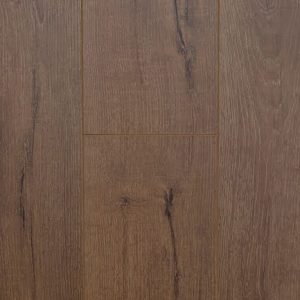
Choose Engineered timber if you:
- Love the authentic look and feel of real wood
- Plan to stay in your home long-term
- Want to increase your home’s resale value
- Live in a climate with moderate humidity (not extreme moisture)
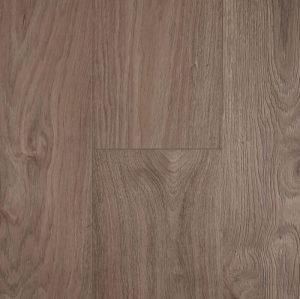
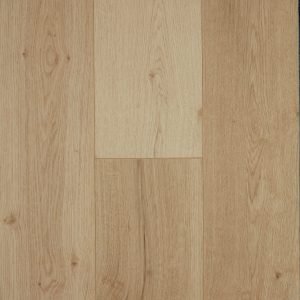
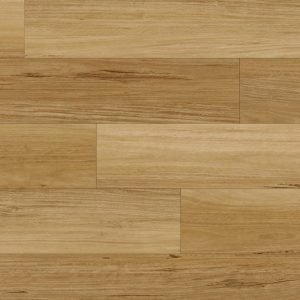
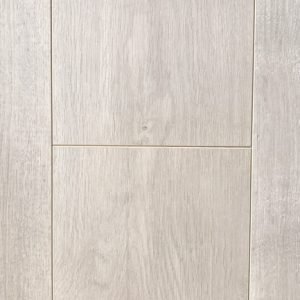
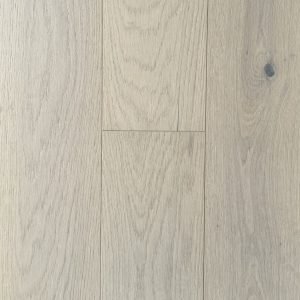
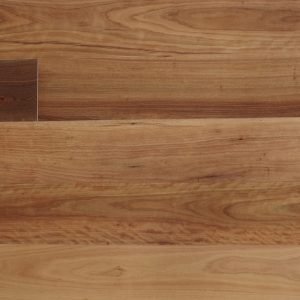
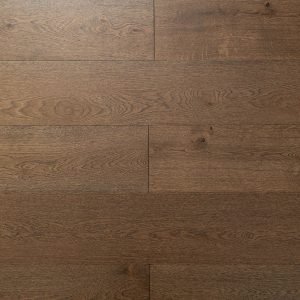
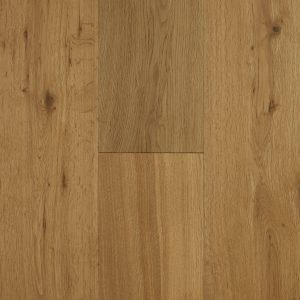
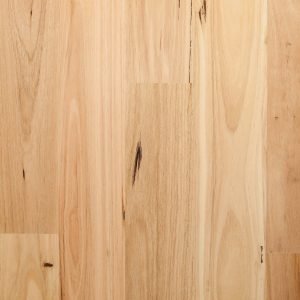
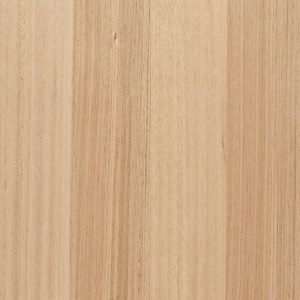
Here are some of our most-loved engineered timber floors:
Pro Tip from One Stop Floors:
If you love the look of wood but worry about moisture (like in a kitchen or half-bath), consider waterproof engineered options or premium waterproof laminate—both are advancing fast in 2025!
Final Thoughts
There’s no “best” flooring—only the best for you. Laminate wins on practicality and price, while engineered timber delivers timeless beauty and long-term value.
At One Stop Floors, we carry top brands in both categories—from budget-friendly laminates to luxury engineered collections—and our flooring experts are here to help you compare samples in person or online. Get a free quote today and take the first step toward your dream floor!