

Choosing new flooring can feel overwhelming—especially when two top contenders like Hybrid and Laminate Flooring look so similar at first glance. Both offer stylish timber-like finishes, durability, and budget-friendly pricing. But beneath the surface, they’re built very differently.
As flooring experts who’ve helped thousands of Aussie homeowners upgrade their spaces, we’re here to break it down clearly, honestly, and without the sales jargon.
What is the difference between hybrid and laminate flooring?
What Exactly Is Hybrid Flooring?
Hybrid flooring is a modern innovation that blends the best of luxury vinyl and laminate. It features a rigid core—usually made from either:
- SPC (Stone Plastic Composite): limestone + PVC for ultra-stability
- WPC (Wood Plastic Composite): recycled wood fibres + PVC for a softer feel
On top, a high-definition print layer mimics real timber, stone, or concrete, sealed under a tough wear layer. The result? A floor that’s 100% waterproof, highly dent-resistant, and comfortable underfoot—especially if it includes a pre-attached underlay.
And What About Laminate Flooring?
Laminate has been a trusted favourite for decades. It uses a dense fibreboard core (usually HDF or MDF), topped with a photographic layer that replicates wood grain, and finished with a scratch-resistant coating—often aluminium oxide.
It’s affordable, stylish, and great for dry areas. But because its core is wood-based, it’s only water-resistant, not waterproof. Spills left too long can cause swelling or warping—especially in humid or high-traffic zones.
Key Differences: Hybrid vs Laminate Flooring at a Glance
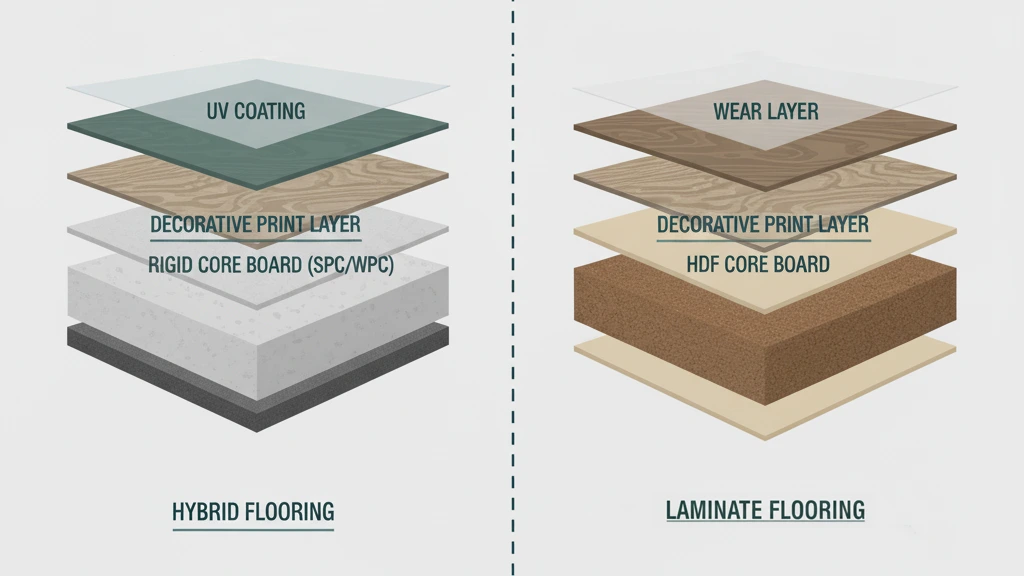
Let’s cut to the chase. Here’s how they stack up across real-life factors that matter to homeowners:
| Feature | Hybrid Flooring | Laminate Flooring |
|---|---|---|
| Water Resistance | ✅ 100% waterproof—ideal for kitchens, laundries, and open-plan living | ⚠️ Water-resistant only—avoid prolonged moisture exposure |
| Durability | Highly resistant to dents, temperature shifts, and humidity | Excellent scratch resistance, but vulnerable to water damage |
| Comfort | Softer underfoot, often with built-in underlay for noise reduction | Firmer feel—can be improved with separate underlay |
| Cost | Slightly higher upfront (typically $55–$90/m² installed) | More budget-friendly ($40–$70/m² installed) |
| Lifespan | 15–20 years with proper care | 10–15 years on average |
Which One Should You Choose?
The answer depends entirely on your lifestyle and where you’re installing it.
Go with Hybrid If You:
- Have kids, pets, or frequent spills
- Live near the coast or in a humid climate
- Want peace of mind in kitchens, laundries, or open-plan areas
- Prefer a quieter, more cushioned step
Whether you’re looking for affordable hybrid flooring, premium designer finishes, or something comfortably in between, you’ll find it in our thoughtfully curated range. At One Stop Floors, we offer one of Melbourne’s most comprehensive selections of hybrid flooring—carefully chosen to match every style, budget, and project need.
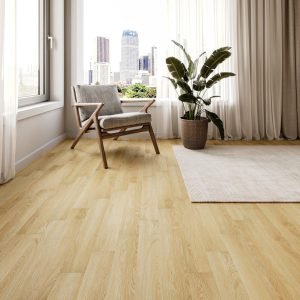
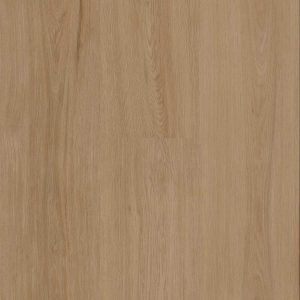
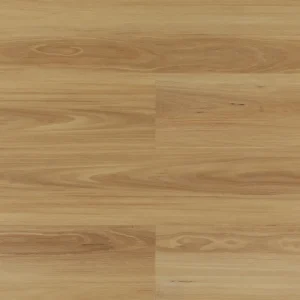
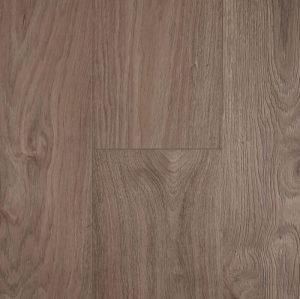
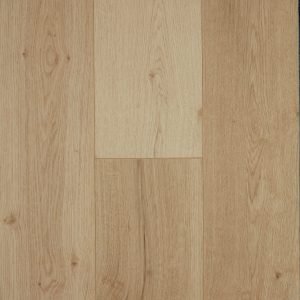
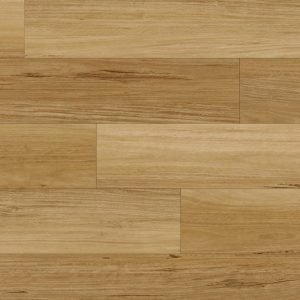
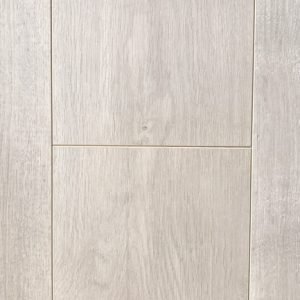
Here’s a sneak peek at some of our most popular hybrid flooring options:



Choose Laminate If You:
- Need stylish timber looks on a tighter budget
- Are flooring low-moisture zones like bedrooms, studies, or formal lounges
- Prioritise scratch resistance over water protection
- Plan a DIY install (laminate’s click system is often slightly easier to handle)
We carry a huge variety of laminate flooring Melbourne locals love — from entry-level options to premium brands.
Melbourne Conditions Matter
Our climate throws curveballs—scorching heat, coastal humidity, sudden storms. Hybrid flooring handles these extremes better thanks to its stable, non-organic core. Laminate can expand or contract in high heat or moisture, leading to gaps or buckling over time.
For homes with indoor-outdoor flow (a classic Aussie design!), hybrid’s waterproof nature makes it the safer long-term bet.
Maintenance Made Simple
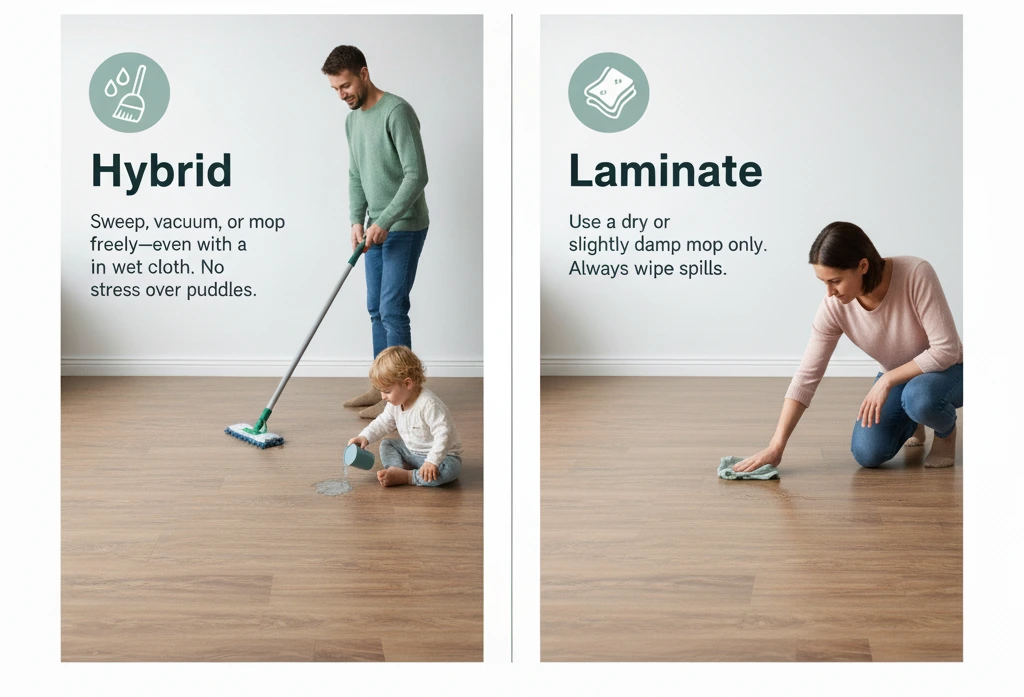
Both options are low-fuss compared to real timber—but hybrid wins for everyday ease:
- Hybrid: Sweep, vacuum, or mop freely—even with a wet cloth. No stress over puddles.
- Laminate: Use a dry or slightly damp mop only. Always wipe spills immediately.
What is better laminate or hybrid flooring?
There’s no universal “winner.” But if your home sees daily mess, moisture, or movement, hybrid flooring offers better long-term value despite the higher initial cost. If you’re on a budget and flooring dry, controlled spaces, laminate remains a smart, stylish choice.
Get Your Free, No-Obligation Quote Today
Still weighing up hybrid vs laminate flooring? Let us help you decide—without any pressure. At One Stop Floors, we offer a free, no-obligation quote with expert advice tailored to your home, lifestyle, and budget. We’ll even bring samples to your door so you can see how each option looks in your space and lighting.
Whether you’re renovating a single room or your entire home, knowing your exact costs upfront saves time, stress, and surprises. Get your free quote now—because great flooring starts with a great conversation.